Skip Hire in Whitechapel

Skip hire in Whitechapel is a straightforward way to manage heavier waste streams from home clearances, refurbishment work and routine property improvements. Our service focuses on supplying a suitable skip for the job, helping customers choose a size that fits the waste type and the available space, and arranging collection once the load is ready. The aim is simple: keep the process practical, lawful and tidy from the first enquiry through to removal.
We support domestic and trade customers with skip hire for general mixed waste, builders’ waste and other common materials that can be managed within the right container. If the site has access constraints, a permit question or a loading concern, those details shape the choice of service. Some jobs are best handled with a standard skip, while others suit a different approach such as wait and load or grab hire. A clear discussion at the start helps avoid delays later.
For larger projects, it is also useful to think about how the waste will be sorted before collection. Mixed loads can be manageable, but separating recyclable materials where practical may simplify disposal and can help keep the project organised. If you are planning work in Whitechapel, request a quotation once you know the waste type, access and likely volume.
Choosing the right skip for the job

The right hire option depends on what you are clearing and where the container will sit. A compact domestic project may only need a smaller skip, while renovation debris or bulky mixed materials may call for something with more capacity. Selecting too small a container can lead to overfilling, while choosing one that is larger than necessary can make placement harder than it needs to be. The best choice is usually the one that balances volume, convenience and site restrictions.
Skip sizes and prices can help customers compare the practical differences between container sizes and plan more confidently before booking. That is especially useful when the waste includes heavier materials such as rubble, soil or mixed construction debris, where weight matters as much as volume. In those cases, the contents of the skip matter just as much as the physical size, because different materials fill space in different ways and can affect how the load is managed.
We also support customers who need a more controlled loading method. If you expect the waste to be ready in a short burst rather than gradually over several days, a quick discussion can clarify whether a skip, a wait and load option or another removal method is the better fit. Talk through the details early so the arrangement suits both the waste and the property access.
Domestic skip hire for household projects
Domestic skip hire is often used for decluttering, moving house, clearing a loft or dealing with materials left over from a small renovation. In these settings, customers usually want a practical container that keeps the work moving without repeated trips to the tip. A good hire arrangement lets the household keep furniture fragments, packaging, old fixtures and general renovation waste together in one controlled place.
Domestic skip hire is a useful option when the job involves a mixture of household waste rather than one clean material type. It may suit a bathroom strip-out, kitchen update or general decluttering project where items are too bulky for normal bins. When planning that sort of work, it is sensible to think about where the container will be placed, whether access needs to be left open for residents or neighbours, and how soon the waste will be ready for collection.
For some homes, loading the waste gradually over a few days is the simplest approach. For others, a fast turnaround is more convenient, particularly when decorators, fitters or removal teams are working to a tight schedule. Either way, the purpose of the service is to keep the site manageable and reduce the disruption that comes from scattered waste. Speak to us about the waste mix and the access available before deciding on the final arrangement.
Builders’ waste and construction debris
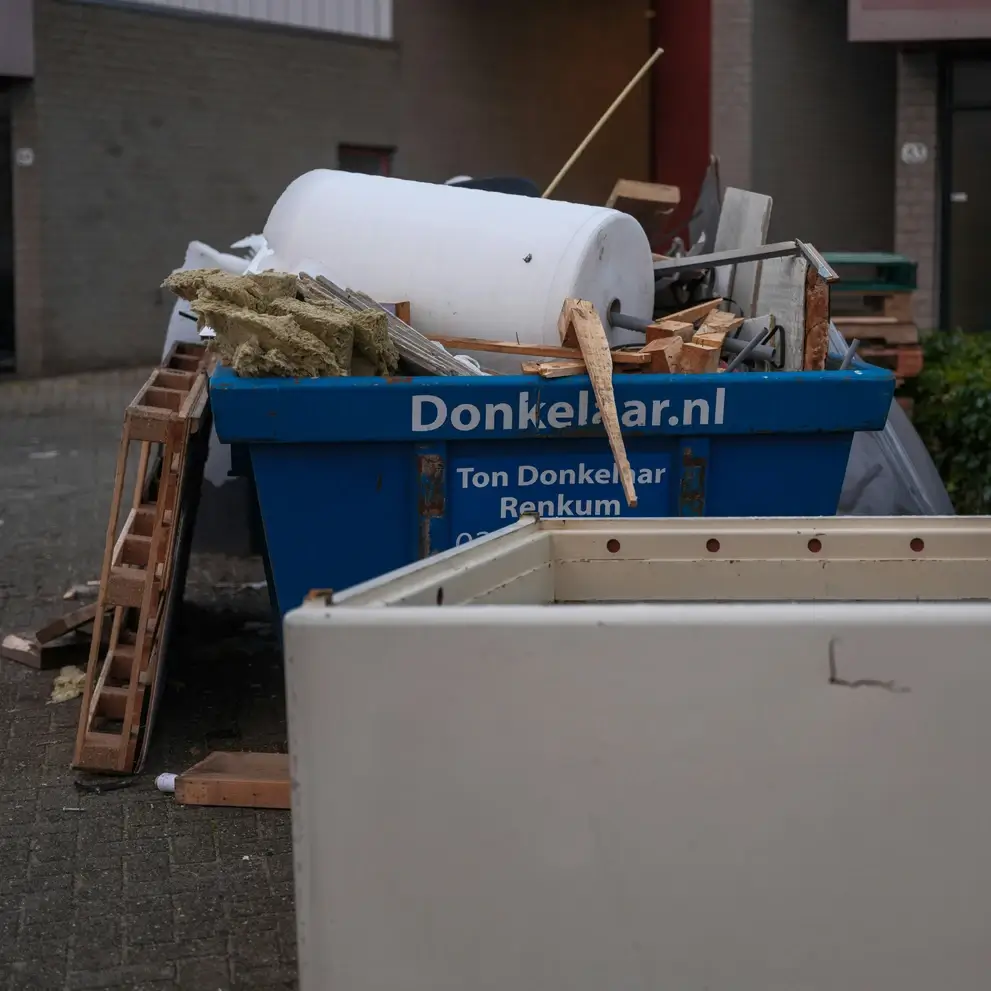
Builders’ waste hire is designed for materials produced by refurbishment, structural alteration and construction work. Typical loads can include plasterboard, timber, packaging, tiles, bricks and general site debris, though the exact mix depends on the project. Because building waste can be heavy and unevenly distributed, a sensible hire choice takes account of both container size and the type of material being removed. That helps the project stay organised and avoids awkward overloading issues.
Builders’ skip hire is often the starting point for small and medium construction jobs where waste is being created steadily rather than all at once. For more complex sites, it can be helpful to consider whether the waste should be kept separate from other materials, or whether a broader construction waste arrangement would be more efficient. Some jobs also generate waste in stages, so the timing of delivery and collection matters just as much as the capacity of the container itself.
Construction waste disposal supports projects where the aim is to clear building debris in a way that suits site conditions and the material being handled. Depending on the work, a skip may be the best fit, but not always. If access is restricted, or if the site would benefit from a faster collection model, a different arrangement can be discussed. Use the service that matches the site rather than forcing the job into a one-size approach.
Waste handling for clearances and larger loads

Some jobs are less about a single room and more about clearing larger volumes of mixed waste from an ongoing project, vacant property or worksite. In those cases, the main decision is often how to move waste efficiently without creating extra handling. A skip can be suitable when the materials are being generated over time, while a bulkier removal method may work better when a large pile needs to be collected from the ground in one visit.
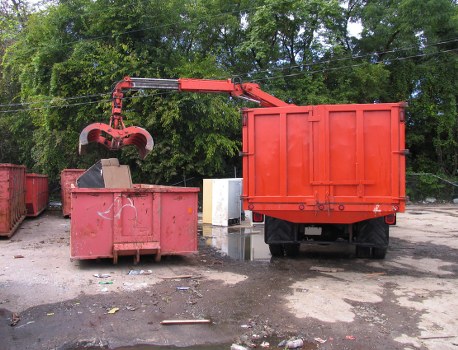
Site clearance is useful when waste includes a broad mix of materials from land, premises or a larger work area. It is commonly paired with demolition or renovation work, where debris can build up quickly and space needs to be kept usable. Where the waste is especially bulky or distributed over a wider area, a grab lorry hire arrangement may also be worth considering because it is suited to collecting loose material without the same container placement requirements as a skip.
In practical terms, the best choice often comes down to access, the surface available for loading, and how quickly the waste needs to disappear. If the area is awkward for a skip, or if the materials are piled in a way that is easier to reach from the roadside or drive, a grab-lorry style collection can be more suitable. Keep the method matched to the site and the waste will be easier to manage from start to finish.
Specialist removal for bulky or unusual items

Not every clearance job is about builders’ rubble or mixed household waste. Some projects involve bulky items that need separate handling, such as old appliances, mattresses, sofas or office contents. In these situations, customers often want a service that deals with the specific item type rather than a general container alone. That can make disposal simpler, especially when a project includes items that are awkward to move or that need sorting before collection.
Fridge and appliance removal is suitable where white goods need to be taken away in a controlled way, while mattress and sofa disposal is better for bulky household furniture that does not fit neatly into routine waste streams. For business premises, office clearance helps with desks, chairs, filing and other workplace items. Each of these services supports a different kind of load, so the right choice depends on what needs removing and how it has to be handled.
Where waste contains items that should not be mixed with general rubbish, it is important to plan disposal properly. That may involve a separate collection, a specific route for recycling or a careful approach to materials that need additional attention. If you are unsure which service fits the job, ask for guidance before booking so the removal is arranged in a sensible way.
About Whitechapel
Whitechapel is an area in the London Borough of Tower Hamlets, east of the City of London, long associated with the historic East End. Its character has been shaped by centuries of migration, commerce and reinvention, and the streets still show that layered history in their mix of older terraces, later commercial buildings and new developments. The district is named after the former whitewashed chapel that once stood in the area, a reminder that many place-names in London preserve traces of earlier landscapes and institutions. Whitechapel High Street remains one of the most recognisable routes, linking local movement with the wider flow of the city. The area is also known for its strong transport connections, especially Whitechapel station, which now forms part of the Elizabeth line as well as serving London Overground and the Underground. Nearby, the Royal London Hospital has been a major presence for many years and is closely associated with the district’s modern identity. Whitechapel Gallery is another important cultural landmark, established in 1901 and still central to the local arts scene. The neighbourhood sits close to Spitalfields, Stepney and Aldgate, yet it retains a distinct identity of its own through markets, streets of varied scale and a busy urban character. Historic and contemporary Whitechapel therefore combines local institutions, commuter routes, housing and cultural venues in a compact part of inner London that continues to change while preserving familiar landmarks and names.
How to plan a skip hire booking
A well-planned booking usually starts with three practical questions: what the waste is, roughly how much there will be, and where the container can safely sit. Access is important because a skip needs enough room for delivery and collection, and the surface should be suitable for the load. If there are parking restrictions, narrow roads or limited driveway space, the arrangement may need to be adapted so it works properly on the day.
If you are comparing options, skip permits are relevant when the container has to go on a public road rather than private land. That is not always necessary, but when it is, the permit question should be handled early so the hire runs smoothly. It is also worth checking whether the waste contains items that need separate treatment, since that can affect the most practical service and the timing of collection. The more clearly the job is defined, the easier it is to arrange the right solution.
Book online if you already know the basics, or use a plain-text enquiry if you still need advice about service choice, access or waste type. A concise description of the work and a realistic idea of the load are usually enough to begin. Make the first step simple and the rest of the arrangement becomes much easier to manage.
Materials, recycling and responsible disposal
Many skip hire jobs are not only about removal but also about how waste is processed after collection. Different loads may contain recyclable materials, reusable metal, timber, inert rubble or mixed general waste, and each category needs to be handled appropriately. A well-organised hire service helps keep those materials moving into the right stream rather than leaving them mixed together unnecessarily. That can be especially important on refurbishment and clearance jobs where the waste is varied.
Waste recycling services are relevant when the priority is to separate recoverable materials from general refuse. If the project is producing construction residue, builders waste removal may be a better fit than a simple container hire alone, particularly when the waste is generated quickly or the site needs to stay clear as work progresses. For customers who want to understand what can and cannot go in a container, what can go in a skip is a useful reference before the hire begins.
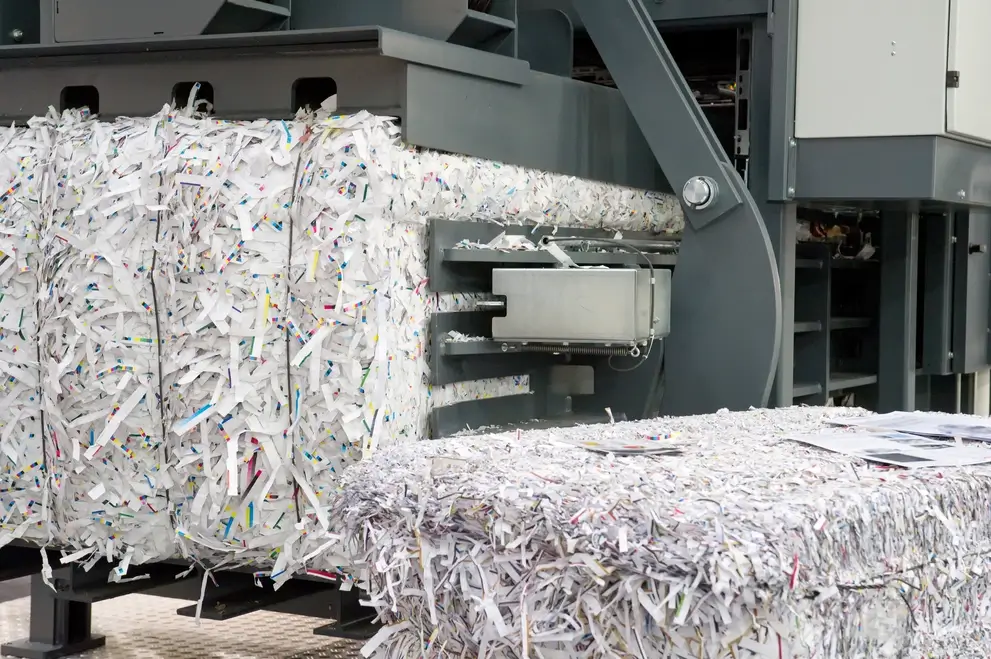
Responsible disposal also means recognising that some materials need special handling. Hazardous items, certain appliances and confidential paper are usually not treated as general mixed waste, so the service has to match the contents. Where the load is straightforward, skip hire is often the most efficient method. Where it is not, choosing the proper route from the outset is the safest and most practical decision. Send the waste details when you are ready for a tailored quotation.
More ways to clear waste efficiently
Sometimes skip hire is just one of several workable ways to clear waste from a property or site. When access is tight, when loading needs to happen quickly, or when the waste is already gathered in one place, alternatives such as man and van collections or wait-and-load arrangements can be more suitable. The best service is the one that fits the pace of the work, the nature of the waste and the practical limits of the property.
Wait and load skip hire is worth considering where parking or permission issues make a longer roadside stay impractical. For awkward or time-sensitive loads, man and van arrangements can also be useful, especially if the items are heavy but already prepared for removal. Larger, earth-heavy projects may instead need muck away services, which are more suited to soil and spoil from groundwork rather than typical household rubbish.
The main benefit of comparing these options is that it helps the customer avoid paying for a service that does not suit the site. A thoughtful choice can reduce manual handling, shorten the time spent clearing and improve the overall flow of the job. If you need help narrowing it down, ask for the most suitable option rather than defaulting to the first one that appears.
Getting the quotation right
Quotation requests are easier to answer accurately when the key facts are clear from the start. The type of waste, the amount involved, the collection point and any site restrictions all influence the final arrangement. A domestic clear-out, a builder’s load and a commercial clearance do not present the same requirements, even if the container looks similar. Sharing the right details helps ensure the service offered is practical rather than approximate.
We also provide pricing and quotes information for customers who want to understand the factors behind a hire arrangement before making a decision. If the job is ongoing, it can be helpful to mention whether waste will be produced in one burst or over several stages, because timing affects planning. For premises with shared access or limited loading space, it is also sensible to note any restrictions that may affect delivery or collection. Clear information leads to a clearer price and a better match between service and site.
When you are ready, send over the essentials and we will help shape the right skip hire arrangement for Whitechapel. Keep the description simple, include any known access concerns and let us know whether you need a standard skip, a faster collection method or advice on permits. Request a quotation if you are ready to move ahead.