Comprehensive Guide to Demolition Waste Removal in Whitechapel

Introduction to Demolition Waste Removal
Demolition projects, whether residential, commercial, or industrial, invariably generate a significant amount of waste. Properly managing this demolition waste is crucial not only for environmental sustainability but also for adhering to local regulations and ensuring efficient project completion. In Whitechapel, a bustling area with ongoing development, demolition waste removal services play a vital role in maintaining the cleanliness and safety of the neighborhood.
Effective demolition waste removal involves more than just hauling away debris. It encompasses the sorting, recycling, and disposal of materials in an environmentally responsible manner. By partnering with professional waste removal services in Whitechapel, property owners and contractors can ensure that their demolition projects are executed smoothly and sustainably.
Understanding the scope and process of demolition waste removal is essential for anyone involved in construction or renovation activities. This guide delves into the key aspects of demolition waste management in Whitechapel, providing insights into best practices, regulatory requirements, and the benefits of professional services.
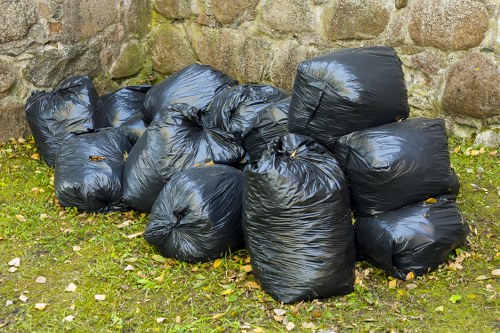
Types of Demolition Waste
Demolition waste can be categorized into various types based on the materials involved. Identifying these types is the first step in effective waste management, as different materials require specific handling and disposal methods.
Concrete and Masonry
Concrete, bricks, and other masonry materials are common in demolition sites. These materials are heavy and often require specialized machinery for removal and recycling. Concrete can be crushed and reused as aggregate in new construction projects, reducing the need for virgin materials.
Metals
Metals such as steel, aluminum, and copper are highly recyclable. They can be melted down and repurposed, contributing to a circular economy. Proper separation of metals from other waste streams is essential to maximize recycling efficiency.
Wood
Wood waste from demolition can be reused in various applications, including furniture making, landscaping, and as biomass for energy production. Treated or contaminated wood, however, requires careful disposal to prevent environmental contamination.
Asbestos and Hazardous Materials
Older buildings may contain hazardous materials like asbestos, lead paint, and other toxic substances. Specialized removal and disposal are mandated by law to protect workers, residents, and the environment from harmful exposure.
Plastics and Synthetic Materials
Plastics and synthetic materials are challenging to recycle due to their diverse compositions. While some plastics can be processed and reused, others may need to be disposed of in designated landfills to prevent environmental pollution.
Regulatory Requirements in Whitechapel
Compliance with local regulations is paramount in demolition waste removal. Whitechapel, governed by stringent environmental laws, mandates proper handling and disposal of demolition debris to minimize ecological impact.
Permits and Licensing
Before initiating demolition projects, obtaining the necessary permits and licenses is required. These permissions ensure that the project adheres to local zoning laws, safety standards, and environmental guidelines.
Waste Sorting and Segregation
Regulations often stipulate the segregation of waste at the source. Proper sorting of materials facilitates recycling and ensures that hazardous waste is handled appropriately, reducing the burden on landfills and promoting sustainability.
Disposal Standards
Disposal of demolition waste must comply with environmental standards. This includes using licensed disposal facilities, reducing landfill contributions, and increasing recycling rates. Non-compliance can result in hefty fines and project delays.
- Adherence to Waste Management Plans
- Certified Recycling Processes
- Environmental Impact Assessments

Benefits of Professional Demolition Waste Removal
Engaging professional demolition waste removal services in Whitechapel offers numerous advantages that contribute to the overall success of demolition projects.
Efficiency and Timeliness
Professional waste removal companies possess the expertise and resources to handle large volumes of debris efficiently. This ensures that demolition projects stay on schedule, preventing costly delays and enhancing project management.
Environmental Responsibility
Experts in demolition waste management prioritize recycling and sustainable disposal methods. This minimizes the environmental footprint of demolition activities and aligns with Whitechapel's green initiatives.
Safety and Compliance
Proper handling of demolition waste mitigates risks associated with hazardous materials. Professional services ensure compliance with safety regulations, protecting workers and the community from potential harm.
Cost-Effectiveness
While hiring professional services involves upfront costs, it can lead to long-term savings through efficient waste management, reduced material costs via recycling, and avoidance of regulatory fines.
Steps Involved in Demolition Waste Removal
The process of demolition waste removal is systematic, ensuring that each stage is handled with care and precision. Understanding these steps can help property owners and contractors better manage their demolition projects.
1. Assessment and Planning
The initial phase involves assessing the scope of the demolition project and identifying the types of waste that will be generated. A comprehensive waste management plan is developed, outlining the strategies for sorting, recycling, and disposal.
2. Sorting and Segregation
Once demolition begins, materials are sorted on-site into categories such as concrete, metals, wood, and hazardous waste. This segregation is crucial for efficient recycling and ensures that hazardous materials are handled safely.
3. Recycling and Reuse
Recyclable materials are cleaned and processed for reuse in new construction projects. This not only reduces the demand for new materials but also lowers the overall environmental impact of the project.
4. Transportation
Demolition waste is transported to licensed facilities for further processing or disposal. Professional waste removal services ensure that transportation is conducted safely and in compliance with local regulations.
5. Disposal
Non-recyclable and hazardous materials are disposed of in designated landfills or treatment facilities. Proper disposal methods prevent environmental contamination and adhere to legal requirements.
Choosing the Right Demolition Waste Removal Service in Whitechapel
Selecting a reliable and experienced demolition waste removal service is critical for the success of your project. Here are key factors to consider when making your choice.
Experience and Expertise
Look for companies with a proven track record in demolition waste management. Experienced professionals are better equipped to handle diverse materials and navigate regulatory complexities.
Licensing and Certification
Ensure that the service provider holds the necessary licenses and certifications required by local authorities. This guarantees that they operate within legal frameworks and adhere to industry standards.
Comprehensive Services
Opt for companies that offer a full range of services, including waste assessment, sorting, recycling, transportation, and disposal. Comprehensive services streamline the waste management process and enhance project efficiency.
Sustainability Practices
Choose services that prioritize sustainability by maximizing recycling rates and minimizing landfill usage. Sustainable practices not only benefit the environment but also align with community values.
Customer Reviews and Reputation
Research customer feedback and the company's reputation in the market. Positive reviews and a strong reputation indicate reliability and quality service.
Cost Factors in Demolition Waste Removal
Understanding the cost structure of demolition waste removal helps in budgeting and financial planning for your project. Various factors influence the total cost of waste management services.
Volume of Waste
The amount of waste generated directly affects the cost. Larger projects producing more debris will incur higher removal and disposal fees.
Type of Materials
Different materials have varying disposal costs. Hazardous materials often require specialized handling, increasing overall expenses.
Transportation Distance
The distance between the demolition site and disposal or recycling facilities impacts transportation costs. Longer distances typically result in higher fees.
Recycling and Disposal Fees
Recycling fees can offset some disposal costs, but certain materials may have additional charges based on processing requirements.
Additional Services
Extra services such as on-site sorting, temporary storage, and special handling of fragile or valuable items may incur additional costs.
- Volume-Based Pricing
- Material-Specific Charges
- Service Bundles and Discounts
Environmental Impact of Proper Waste Removal
Effective demolition waste removal significantly reduces the environmental footprint of construction activities. Proper management practices help preserve natural resources and minimize pollution.
Resource Conservation
Recycling materials conserves natural resources by reducing the demand for new raw materials. This leads to less deforestation, mining, and extraction activities, thereby protecting ecosystems.
Energy Savings
Recycled materials often require less energy to process compared to manufacturing new materials from scratch. This results in lower greenhouse gas emissions and reduced energy consumption.
Waste Reduction
Proper waste management decreases the volume of debris sent to landfills, extending their lifespan and minimizing land use. It also prevents the accumulation of waste in the environment, which can lead to soil and water contamination.
Pollution Prevention
Handling hazardous materials with care prevents the release of toxic substances into the air, water, and soil. This protects wildlife, preserves public health, and maintains the ecological balance.
Technological Advancements in Demolition Waste Removal
Innovations in technology have revolutionized demolition waste management, making it more efficient, safe, and environmentally friendly.
Automated Sorting Systems
Advanced sorting technologies, including automated systems, enhance the accuracy and speed of waste segregation. These systems can quickly identify and separate materials, increasing recycling rates and reducing labor costs.
Recycling Machinery
State-of-the-art recycling machinery can process large volumes of demolition waste rapidly. These machines crush, shred, and sort materials, facilitating their reuse in construction and other industries.
Digital Waste Tracking
Digital tracking systems enable real-time monitoring of waste streams, ensuring transparency and accountability in the waste management process. This technology helps companies comply with regulations and optimize their operations.
Eco-Friendly Disposal Methods
Innovative disposal methods, such as bioremediation and thermal treatment, offer environmentally friendly alternatives to traditional landfill disposal. These methods reduce pollution and promote sustainable waste management.
Green Transportation Solutions
The adoption of electric and hybrid vehicles for waste transportation minimizes emissions and contributes to greener demolition practices. These vehicles are more efficient and have a lower environmental impact compared to conventional diesel-powered trucks.
Case Studies: Successful Demolition Waste Removal in Whitechapel
Examining real-life examples of effective demolition waste removal in Whitechapel provides valuable insights into best practices and the tangible benefits of professional services.
Residential Building Demolition
A local residential demolition project in Whitechapel utilized a professional waste removal service that implemented a comprehensive recycling plan. Over 70% of the waste was recycled, significantly reducing landfill usage and lowering project costs through material repurposing.
Commercial Complex Renovation
A large commercial complex renovation required meticulous demolition waste management. The service provider employed automated sorting systems and eco-friendly disposal methods, ensuring compliance with regulations and maintaining a clean and safe work environment.
Industrial Facility Demolition
Demolishing an old industrial facility involved handling hazardous materials, including asbestos. The professional team adhered to strict safety protocols and environmental standards, safely removing and disposing of hazardous waste while minimizing environmental impact.
Mixed-Use Development Project
In a mixed-use development project, the demolition of existing structures generated diverse waste types. The waste removal service efficiently segregated materials, maximizing recycling efforts and supporting the project's sustainability goals.
Historical Building Preservation
Demolishing a historical building required careful waste management to preserve valuable materials and prevent damage to surrounding areas. The service provider employed specialized techniques to salvage and recycle materials, maintaining the building's heritage while facilitating modern development.
Challenges in Demolition Waste Removal
Despite advancements, demolition waste removal poses several challenges that must be addressed to ensure effective and sustainable waste management.
Complex Material Composition
Buildings often comprise a variety of materials with different properties and disposal requirements. Managing this complexity requires expertise and robust systems to handle diverse waste streams efficiently.
Regulatory Compliance
Navigating the intricate web of local, state, and federal regulations can be daunting. Ensuring compliance demands meticulous planning and ongoing monitoring to avoid legal repercussions.
Economic Constraints
Budget limitations can impact the extent of waste management practices. Balancing cost-effectiveness with environmental responsibility is a constant challenge for demolition projects.
Logistical Issues
Transportation logistics, including scheduling, routing, and managing disposal facilities, can complicate the waste removal process. Efficient logistics are essential to minimize delays and costs.
Environmental Concerns
Mitigating the environmental impact of demolition waste requires ongoing efforts to improve recycling rates, reduce emissions, and prevent pollution. Addressing these concerns is crucial for sustainable development.
- Material Complexity
- Regulatory Hurdles
- Budget Constraints
- Logistical Challenges
- Environmental Protection
Future Trends in Demolition Waste Removal
The demolition waste removal industry is evolving, with emerging trends shaping the future of waste management in Whitechapel and beyond.
Increased Recycling Initiatives
There is a growing emphasis on maximizing recycling rates through advanced technologies and innovative practices. This trend aligns with global sustainability goals and reduces dependency on landfill disposal.
Smart Waste Management Systems
The integration of Internet of Things (IoT) and data analytics into waste management systems enhances efficiency and transparency. Smart systems enable real-time monitoring and optimization of waste processes.
Circular Economy Adoption
The shift towards a circular economy encourages the reuse and repurposing of materials, minimizing waste generation and promoting resource conservation. This approach supports sustainable development and economic resilience.
Eco-Friendly Disposal Technologies
Innovative disposal technologies, such as plasma gasification and anaerobic digestion, offer cleaner alternatives to traditional methods. These technologies reduce emissions and transform waste into valuable energy sources.
Enhanced Regulatory Frameworks
Stricter regulations and incentives for sustainable waste management are expected to drive improvements in demolition waste removal practices. Compliance with enhanced standards will become a key competitive advantage for service providers.
Conclusion
Demolition waste removal in Whitechapel is a critical component of sustainable development and urban management. By understanding the types of demolition waste, adhering to regulatory requirements, and leveraging professional services, property owners and contractors can effectively manage waste, reduce environmental impact, and ensure project success.
Embracing best practices and staying informed about technological advancements and future trends will further enhance the efficiency and sustainability of demolition waste management. Investing in responsible waste removal not only benefits individual projects but also contributes to the broader goal of creating a cleaner, greener, and more resilient Whitechapel.
Take Action Today
For effective and sustainable demolition waste removal in Whitechapel, contact us today. Our team of experts is ready to assist you with comprehensive waste management solutions tailored to your project's needs.