Health and Safety Policy — Skip Hire Whitechapel
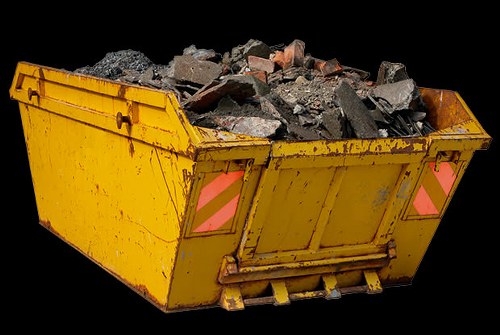 Purpose and commitment. This health and safety policy sets out the approach of Skip Hire Whitechapel to managing health, safety and environmental risks associated with skip hire and rubbish removal services. The purpose is to protect employees, sub-contractors, customers and members of the public from harm arising from our operations. Our commitment is to ensure safe work practices are embedded across the business and that safe systems of work for skip maintenance, delivery and waste collection are maintained at all times.
Scope and application
The policy applies to all activities carried out by the company including skip delivery and collection, waste handling, on-site placement, vehicle operation and yard work. It covers permanent staff, temporary workers and authorised contractors engaged in any aspect of our skip hire and rubbish clearance services in our service area. The policy extends to the management of hazardous and non-hazardous waste, manual handling, traffic management during deliveries and site access control.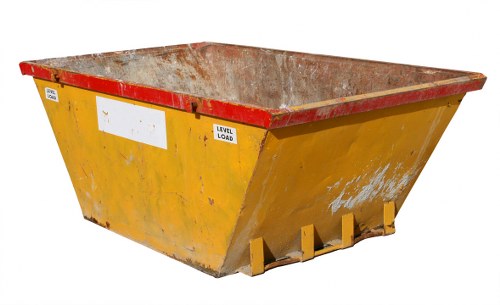
Responsibilities
Management is responsible for establishing and maintaining health and safety arrangements, providing resources, and ensuring risk assessments are done and kept up to date. Supervisors and crew leaders must ensure safe systems are followed during skip hire operations and rubbish collection. Employees and sub-contractors are required to follow instructions, wear appropriate personal protective equipment and report hazards promptly. Visitors and customers must comply with on-site directions when skips are delivered or collected.Risk assessment and controls. We conduct documented risk assessments for all routine and non-routine tasks. Typical risks include manual handling injuries, slips and trips, vehicle collisions, falling objects during loading, exposure to sharps or hazardous substances, and environmental contamination. Control measures include engineering controls, safe systems of work, PPE, exclusion zones during lifting and loading, and clear signage to reduce the likelihood of accidents or incidents.
 Training and competence. All staff engaged in skip hire and rubbish removal receive induction training, task-specific instruction and regular refresher training. Training covers manual handling techniques, the safe operation of tail lifts and plant equipment, traffic safety, spill response, and the correct segregation of waste types. Supervisors are trained in permit-to-work principles and accident investigation procedures to ensure continuous improvement.
Personal protective equipment (PPE) and hygiene. The company provides and enforces the use of appropriate PPE including high-visibility clothing, safety boots, gloves, eye protection and respiratory protection where necessary. PPE is inspected and replaced as required. Good hygiene practices are promoted, with handwashing facilities and guidance on dealing with contaminated materials that may be encountered during rubbish clearance and waste handling.
Operational safety — vehicles and equipment
Vehicles and mobile plant used in skip hire and waste collection are maintained to a documented schedule. Drivers must complete pre-start vehicle checks and must only operate vehicles if competent and licensed where required. Loading and unloading procedures are standardised, with measures to prevent overloading, ensure secure loads and protect pedestrians and site operatives from moving vehicles.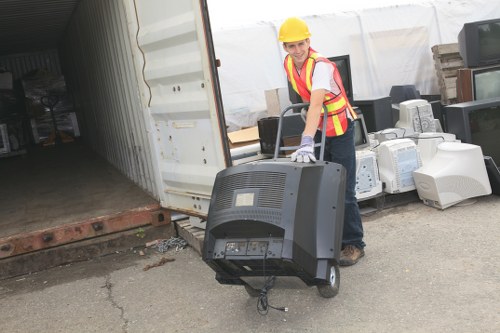
Site safety and customer premises
When placing skips on public or private property our teams carry out a site-specific assessment to determine safe placement and traffic flow. We advise customers, where appropriate, of potential hazards and restricted access requirements. A safe perimeter is established around active loading operations and we use cones, signage and, where necessary, banksmen to assist vehicle movements to mitigate risk to the public and customers' property. Emergency response and incident reporting. The company maintains emergency procedures for vehicle incidents, spills, fires and medical emergencies. Incidents and near-misses must be reported immediately and recorded for investigation. Lessons learned are incorporated into training and procedures to prevent recurrence. First aid provisions are maintained at depots and staff are briefed on emergency contacts and actions whilst on site.
Waste handling, segregation and environmental protection. We operate a clear waste acceptance policy and require that hazardous materials are not placed in general skips. Where potentially hazardous items are identified, the crew will use designated containment and disposal routes to minimise environmental and health impacts. Spill kits are carried on vehicles and used as required to prevent contamination. Transfer and disposal processes are managed to ensure responsible waste treatment and to reduce the risk of pollution.
Monitoring, auditing and continual improvement. Regular inspections, audits and performance monitoring are carried out to verify compliance with this policy. Health and safety performance indicators are reviewed by management and corrective actions implemented where deficiencies are identified. We encourage open communication on safety matters and hold toolbox talks to address operational risks associated with skip hire services.
Policy review. This policy is reviewed periodically and updated as necessary to reflect changes in operations, equipment or industry best practice. All personnel are informed of significant changes and expected to comply. By applying these principles, Skip Hire Whitechapel aims to deliver a safe, reliable rubbish removal and skip hire service while protecting people and the environment.